
If you just received notice of an IRS Wage Levy, you are likely racing against the clock before your next paycheck arrives lighter than expected. The good news is that in many cases, action taken quickly can stop or reduce the levy before it takes effect on your upcoming pay period. Better Tax Relief breaks down exactly what steps to take right now, and how our team provides urgent wage garnishment help for taxpayers in this situation.
Understand How Much Time You Actually Have
An IRS Wage Levy does not appear out of nowhere. By law, the IRS must send you a Final Notice of Intent to Levy at least 30 days before the levy takes effect. If you have already missed that window and your employer has received the levy notice, the timeline becomes much tighter. Employers are generally required to begin withholding starting with the next pay period after they receive the levy paperwork, which means the window to act before your very next check can be a matter of days, not weeks.
The first thing to determine is exactly where you stand: has your employer already received the levy notice, or are you still within the 30-day window from your own notice? This determines how urgently you need to move.
Step One: Contact the IRS or a Representative Immediately
Time matters more than almost anything else in this situation. Calling the IRS directly, or having a licensed representative do so on your behalf, is the fastest way to explore your options before the levy hits your paycheck. Representatives can request a hold on collection activity while a resolution is negotiated, and in some cases can get a levy released even after it has technically started, though the earlier you act, the better your chances of stopping it before it ever touches your pay.
Step Two: Explore Financial Hardship Relief
If the levy would leave you unable to cover basic living expenses, you may be able to demonstrate financial hardship to the IRS. This does not eliminate the underlying tax debt, but it can result in the levy being released or significantly reduced while a longer-term resolution is worked out. This typically requires providing documentation of your income and necessary expenses, which is why having a professional gather and present this information quickly can make a meaningful difference in a tight timeframe.
Step Three: Propose an Alternative Resolution
The IRS is generally more willing to release a wage levy if you propose a viable alternative for resolving your debt. This might include setting up an installment agreement, submitting an Offer in Compromise, or requesting Currently Not Collectible status if your financial situation supports it. Even proposing one of these options, rather than ignoring the levy entirely, signals to the IRS that you are actively working toward resolution, which often improves the odds of a release.
Step Four: File Any Missing Tax Returns
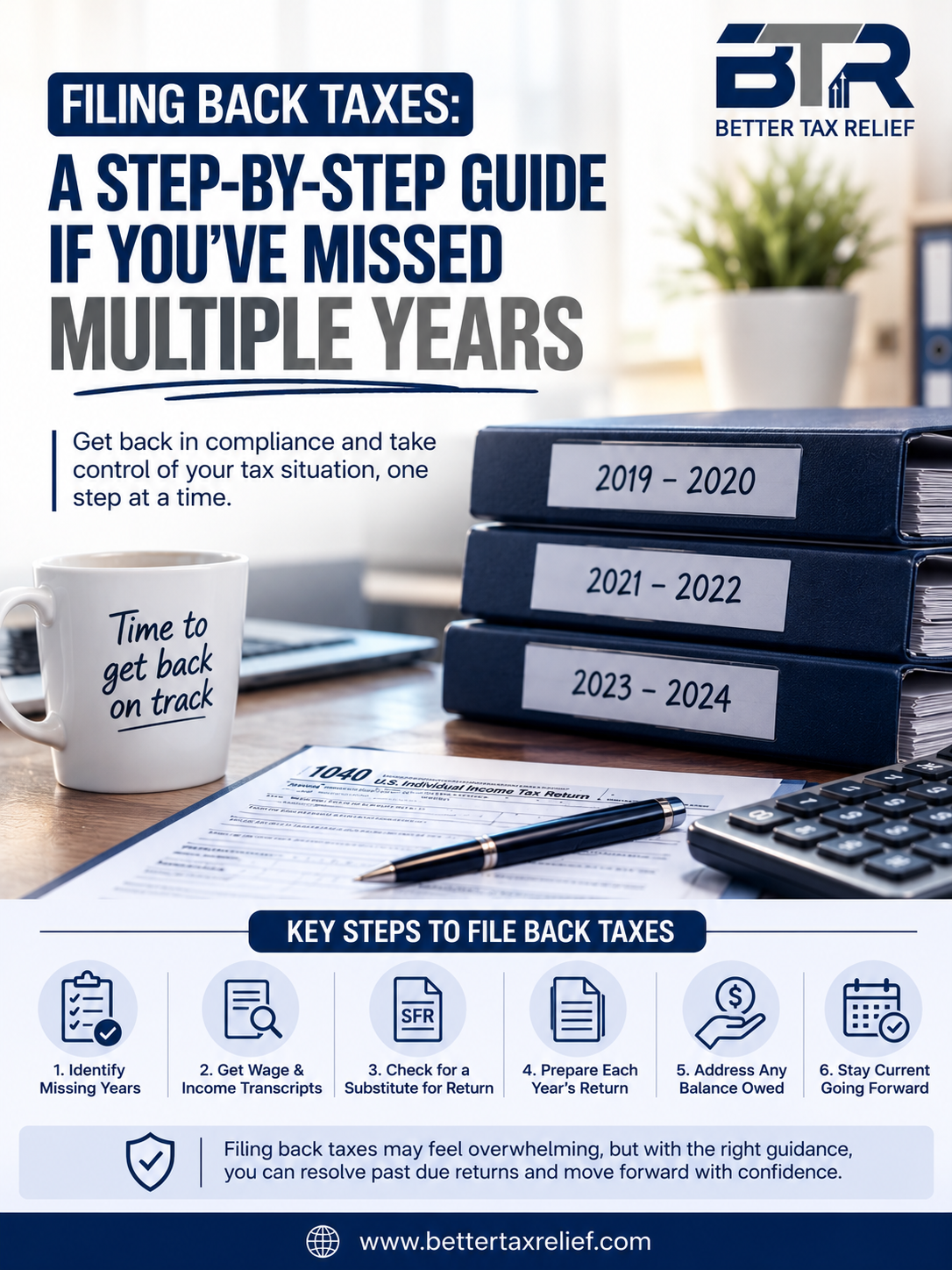
An often overlooked factor is compliance. If you have unfiled tax returns, the IRS is far less likely to release a levy or approve an alternative resolution until those returns are filed. If your situation includes missing returns, getting them filed, even just an estimate submitted quickly with a plan to amend if needed, can remove a major obstacle to getting the levy addressed.
Step Five: Get Professional Wage Garnishment Help Fast
Navigating IRS procedures, deadlines, and required documentation on your own while under this kind of time pressure is difficult even for people who are otherwise financially organized. Better Tax Relief provides urgent wage garnishment help, prioritizing active levy cases and moving immediately to contact the IRS, request a hold, and negotiate toward a release. Our licensed professionals know exactly what documentation the IRS expects and how to present it quickly, which matters enormously when you are working against a paycheck deadline rather than a routine timeline.
What Happens If the Levy Already Hit Your Paycheck
If you were not able to stop the IRS Wage Levy before it affected your most recent paycheck, it is not too late to act. Levies typically continue until released, the debt is paid, or the collection period expires, so stopping future withholding is still possible even if one paycheck was already affected. The same steps- contacting the IRS, demonstrating hardship, and proposing a resolution- still apply, and moving quickly can prevent additional paychecks from being impacted.
Frequently Asked Questions
How much of my paycheck can the IRS take through a wage levy? The IRS uses exemption tables based on your filing status and number of dependents to determine how much of your pay is protected. In many cases, what remains after the levy is significantly less than what you need to cover basic expenses.
Can a wage levy be stopped even after it has started?
Yes. While stopping it before it starts is ideal, a levy that is already in effect can often still be released through financial hardship documentation or by setting up an alternative resolution with the IRS.
Do I need a lawyer to stop an IRS wage levy?
Not necessarily a lawyer specifically, but licensed representation, whether an enrolled agent, CPA, or attorney, generally leads to faster and more effective results than handling it alone, especially under time pressure.
How quickly can Better Tax Relief respond to an active levy?
Better Tax Relief treats active wage levy cases as urgent and begins working to contact the IRS and request a hold as soon as possible after your consultation.
Conclusion
An IRS Wage Levy moves fast, but it does not have to feel unstoppable. Acting immediately, whether that means contacting the IRS directly, gathering hardship documentation, or proposing an alternative resolution, gives you the best chance of protecting your next paycheck. Better Tax Relief provides urgent wage garnishment help for exactly this situation. Contact us today at bettertaxrelief.com for a free consultation and let our team start working on your case right away.




Write a comment ...