
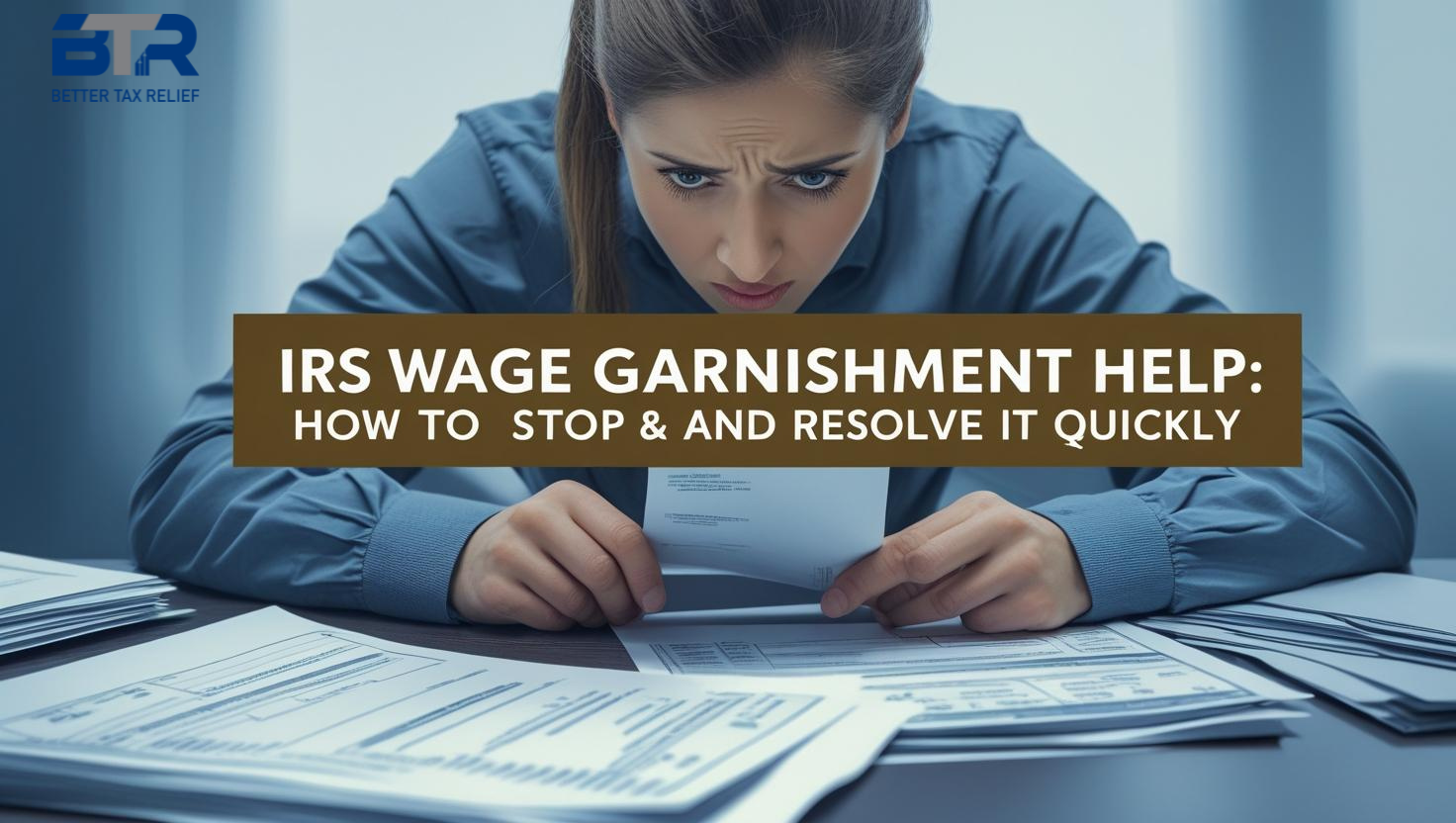
Receiving notice of an IRS wage garnishment can be alarming suddenly, part of your paycheck is withheld to pay back taxes. If you’re in this situation, you’re not alone. Thousands of Americans face IRS garnishment every year, but the good news is that it can be legally stopped or reduced.
In this blog, Better Tax Relief explains how IRS wage garnishment works, why it happens, and most importantly, how you can stop it and regain control of your finances.
What Is IRS Wage Garnishment?
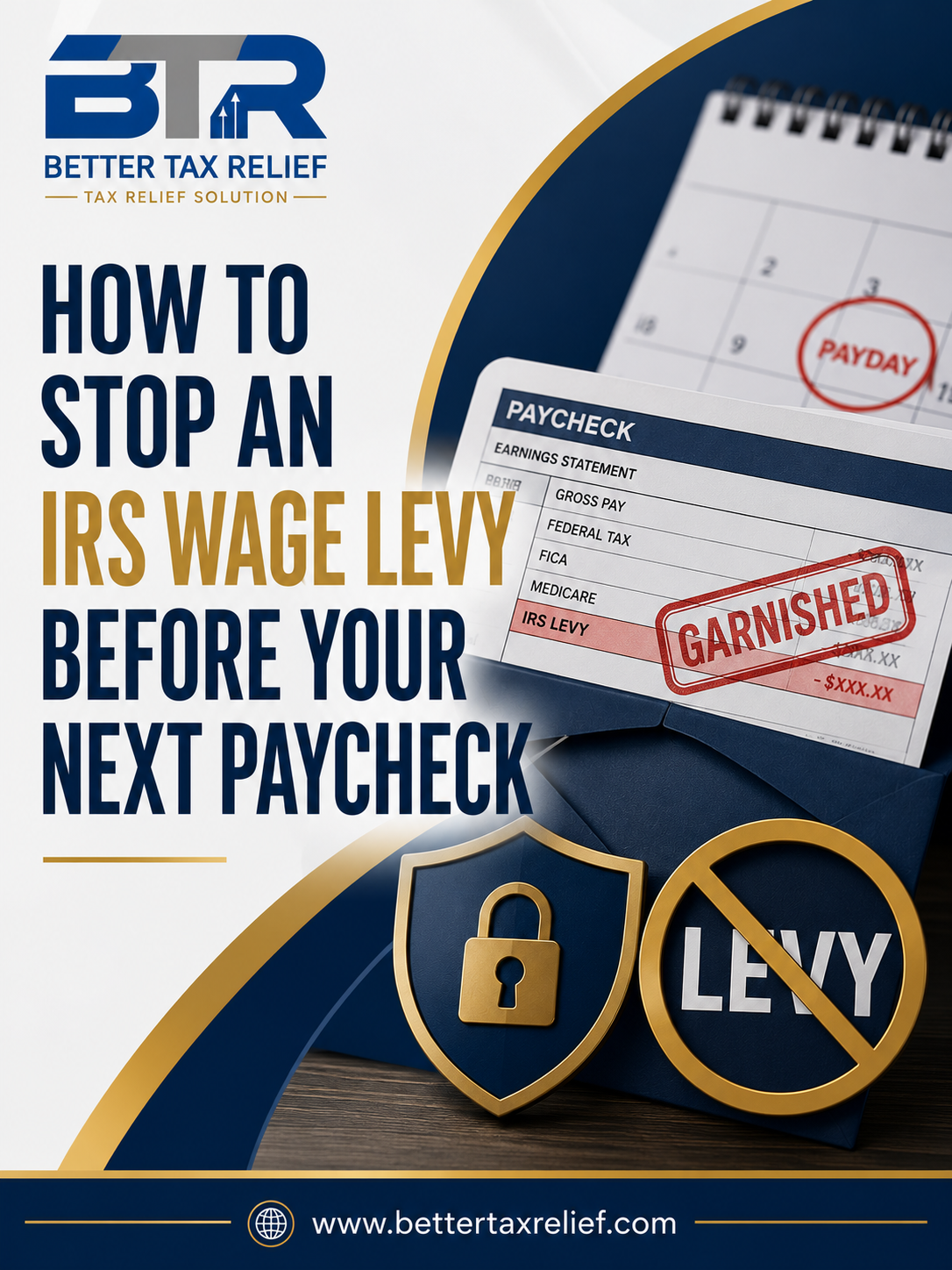
IRS wage garnishment is a collection action where the IRS instructs your employer to withhold a portion of your income to pay off your tax debt. Unlike regular creditors, the IRS doesn’t need a court order to garnish wages. Once the notice is issued, the IRS can take a significant portion of your paycheck until your balance is paid.
Common triggers include:
Unpaid back taxes over multiple years
Ignored IRS notices or CP letters
Failure to respond to collection demands
Before garnishment begins, the IRS sends several notices, including a Final Notice of Intent to Levy (Letter 1058). Once that’s issued, you have 30 days to respond before garnishment begins.
How to Stop IRS Wage Garnishment
Here are five proven ways to legally stop or prevent IRS wage garnishment, all of which Better Tax Relief can assist with.
1. Apply for an Installment Agreement
An IRS installment agreement allows you to pay your tax debt over time with affordable monthly payments. Once this plan is approved, the IRS halts all wage garnishments and collections.
At Better Tax Relief, our experts review your financials and negotiate payment terms that fit your budget, ensuring that you can meet your obligations without losing income.
Benefits:
Stops garnishment immediately after approval
Prevents future IRS enforcement actions
Keeps you compliant with tax law
2. Submit an Offer in Compromise (OIC)
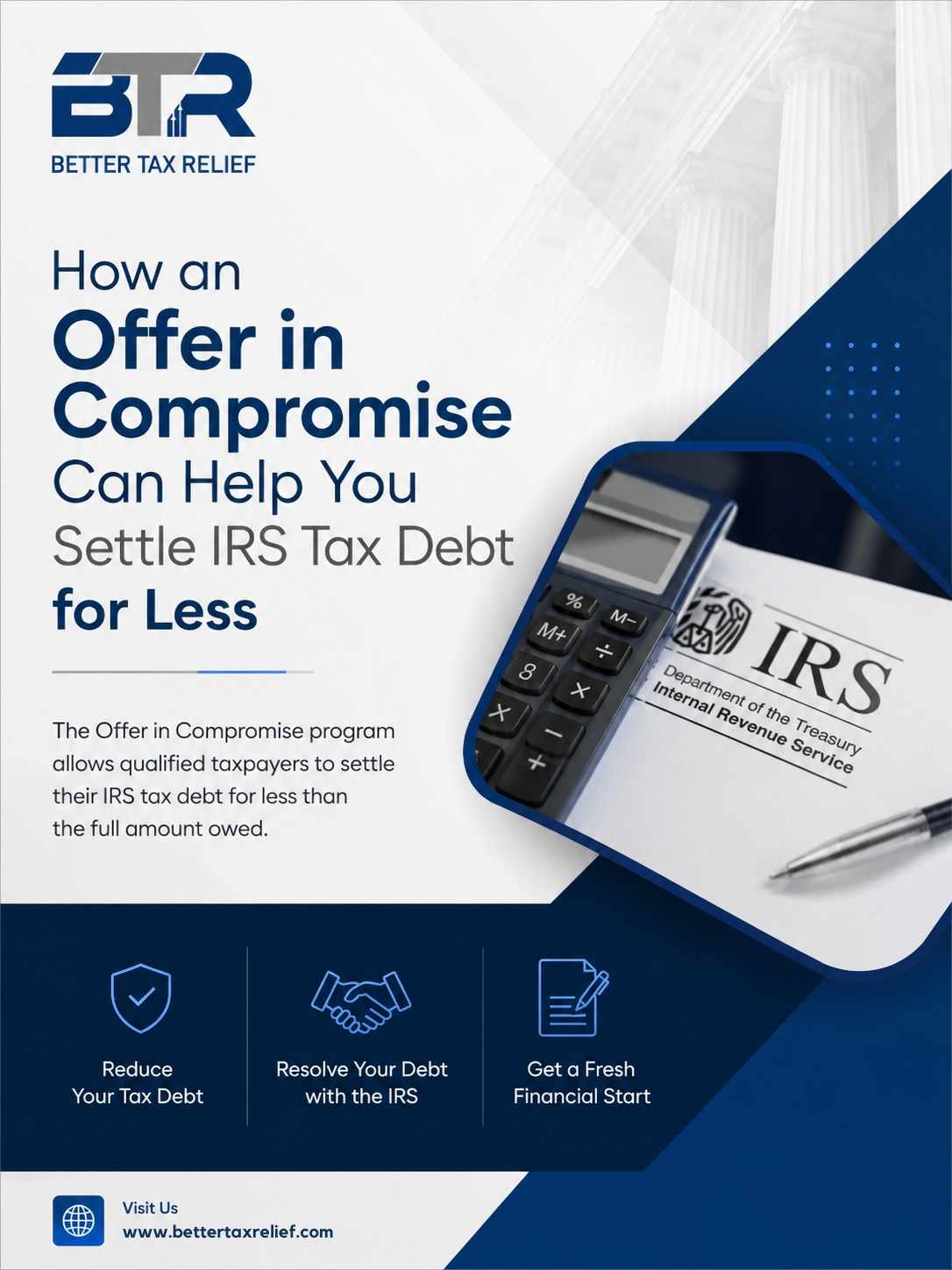
The Offer in Compromise program helps taxpayers settle their tax debt for less than they owe. If you qualify, the IRS may accept a reduced lump sum or short-term payment plan and stop all collections during the review process.
Better Tax Relief helps you prepare the OIC paperwork, calculate your reasonable collection potential (RCP), and ensure your submission has the highest approval chances.
Best for:
Taxpayers facing genuine financial hardship or with limited ability to pay.
3. Request Currently Not Collectible (CNC) Status
If you’re unable to pay due to financial hardship, you may qualify for Currently Not Collectible status. This temporarily halts all IRS collection actions, including wage garnishments.
To qualify, you must prove that paying the IRS would make it impossible to cover basic living expenses. Better Tax Relief gathers and submits the required documentation, ensuring your request is approved quickly.
4. Apply for the IRS Fresh Start Program
The IRS Fresh Start Program helps taxpayers who owe large balances but want to avoid enforcement actions. It offers easier access to installment agreements, lien relief, and more flexible terms for debt repayment.
With the right guidance, you can use the Fresh Start initiative to stop wage garnishment, reduce penalties, and settle your debt legally.
Learn more: IRS Fresh Start Program
5. Seek Professional Tax Representation
Dealing with the IRS alone can be stressful. A licensed tax professional or enrolled agent can communicate with the IRS on your behalf, negotiate better terms, and file appeals when necessary.
At Better Tax Relief, our specialists handle every aspect of your case from filing requests and negotiating settlements to securing legal relief from garnishment.
Why Choose Better Tax Relief:
Experienced IRS tax resolution experts
100% legal and ethical solutions
Proven success in stopping wage garnishments
What Happens After Garnishment Stops?
Once your garnishment is lifted, you’ll need to maintain compliance by:
Filing future tax returns on time
Paying estimated taxes if self-employed
Staying current on any IRS agreements
At Better Tax Relief, we don’t just stop collections we help you build a sustainable plan for long-term financial health.
Final Thoughts
IRS wage garnishment doesn’t have to ruin your finances. Whether through an installment plan, Offer in Compromise, or IRS Fresh Start Program, there are multiple ways to regain control.
Better Tax Relief is here to guide you through every step — from stopping wage garnishment immediately to negotiating lasting relief solutions.
Contact Better Tax Relief today for a free consultation and discover how you can legally stop IRS wage garnishment and secure peace of mind.


Write a comment ...